

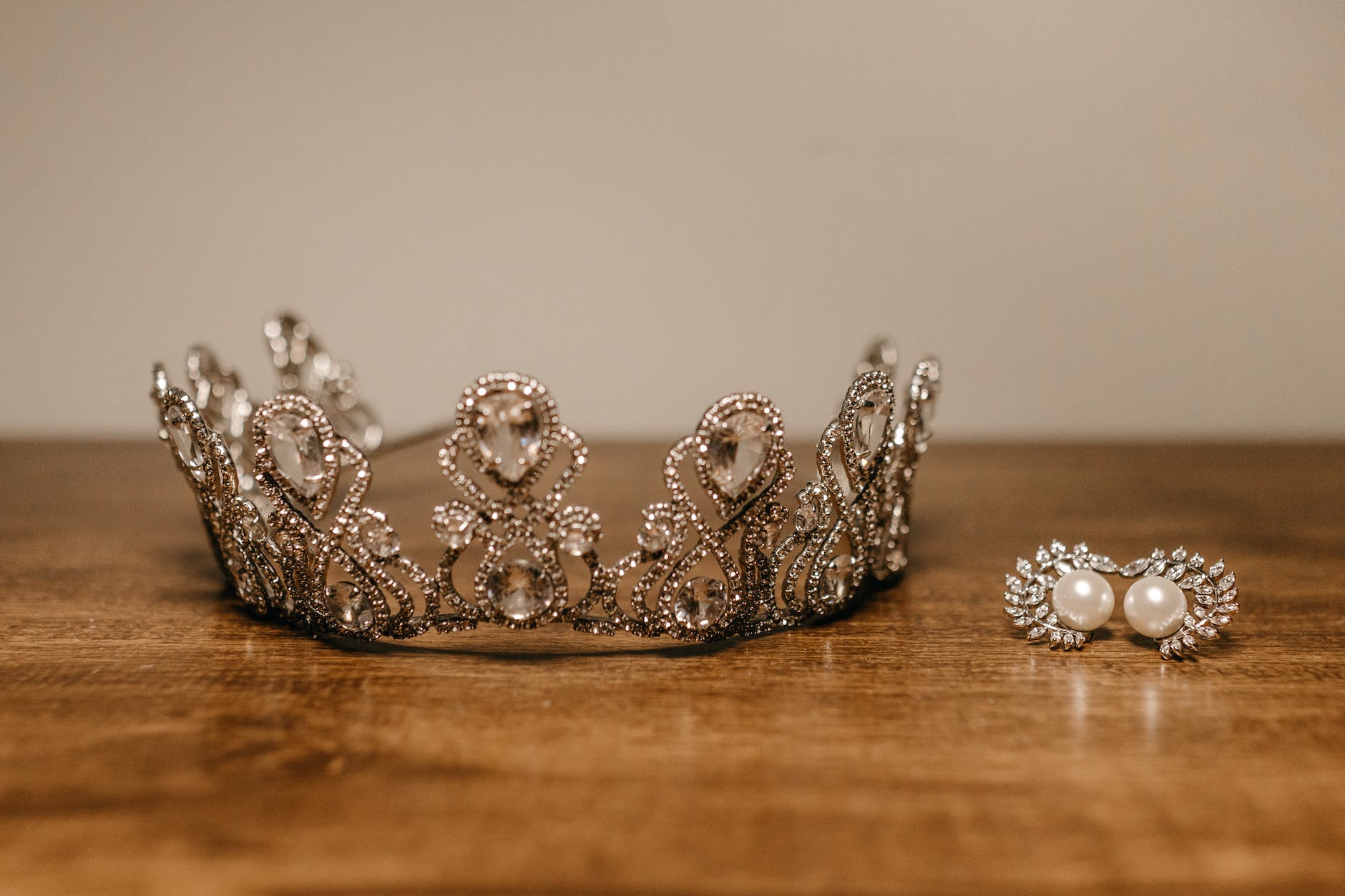
There was a king, once upon a time,
Charles IV was his royal name.
He had three daughters and but one son
who died in childhood, so there was none
male heir left, just three princesses.
Such ordeal real unfortunate is.
The oldest daughter was Maria,
her second name was Theresia.
But some nobles who yearned for the throne
didn’t want her to receive the crown.
Therefore, her father took an action
and issued the Pragmatic Sanction.
The greedy aristocrats were tricked
since according to this new edict
after Charles’s death would Mary
become the queen of all Hungary
and other Habsburg dominions
and the nobles’d be her minions.
But some years before she came to reign
she fell in love with Francis Lorraine.
When they married, Mary was nineteen.
Later she bore him children sixteen.
Eleven girls and five princely boys
brought the parents many fears and joys.
Two of them grew up to become kings.
Half of the others suffered bad things
which caused Mary many days gruesome.
But all that was only yet to come
when, twenty-three, she was crowned a queen
the kingdom had never before seen.
The striking coronation took place
in the town of Pressburg, that’s today’s
Bratislava in Slovakia.
At that time freshly queened Maria
couldn’t have known what life had in store.
The first test of her rule was a war
with Frederick of Prussia over
Silesia, who wished to make her
give the land up. She was unwilling,
opting for seven years of battling.
Sadly, she lost it. But still she won
her subjects’ allegiance from thence on.
She fostered enlightenment by all means.
Codex Theresianus, the queen’s
set of laws revised land ownership
and unified court rules and judgeship.
She reformed health care and army, too.
In agriculture she proposed to
plant new crops like corn and potatoes.
She was the first to use money notes
in Europe to pay for goods in trade
and little children she by law bade
to attend school, get educated.
She made it a right of every kid
that they could learn some instead of, say,
working hard in the fields the whole day.
Mary outlived six of her children
and husband, too. That’s why till the end
of her own life she wore mourning black.
She missed terribly her beloved Franck.
Probably a smallpox aftermath
led to Mary’s eventual death
at the age of sixty-three, ending
thus her forty-year rule as a queen.
She was succeeded by her son Joe,
Joseph II who became known
for the Patent of Tolerance and
celebrated as the peasants’ friend
for the abolition of serfdom
in the whole Hungarian kingdom.
Be sure this is no fairy-story,
there once really lived this queen Mary!
(Slovak Version)
Kde bolo, tam bolo,
tam bol raz jeden krá?,
?o sa volal Karol
a štyri deti mal.
Ke? mu jediný syn umrel,
s krá?ovnou ho oplakali,
lebo stratil následníka,
len princezné mu zostali.
Najstaršia bola Mária,
Terézia ju volali,
avšak krá?ovskú korunu
jej š?achtici da? nechceli.
Tak jej krá?ovský otecko
vymyslel hne? taký zákon,
by Mária po ?om v Uhorsku
mohla raz zasadnú? na trón.
Tento zákon sa menoval
že Pragmatická sankcia.
Pod?a nej celé krá?ovstvo
tak zdedila Terézia.
Vo veku devätnás? rokov
sa za Františka vydala
a z ve?kej lásky mu potom
šestnás? detí porodila.
Jedenás? diev, pä? princiatok,
bolo potomkov krá?ovských.
Vladármi sa neskôr stali,
na rados? matky, dvaja z nich.
Dvadsa?triro?nú ju v Blave
slávnostne korunovali.
Vtedy ešte netušila,
aké veci ju ?akali.
S Fridrichom z Pruska o Sliezsko
mnoho vojen bojovala,
?ím si u svojich poddaných
ve?kú dôveru získala.
Terézia osvietenectvo
všemožne podporovala.
Armádu a zdravotníctvo
aj súdy zreformovala.
Práva a tiež povinnosti
zemepánov upravila
Tereziánskym urbárom.
Školský zákon stanovila:
Vraj každé die?a v krá?ovstve
má právo chodi? do školy,
namiesto aby celé dni
len pracovalo na poli.
Ako prvá v Európe
zaviedla v platbe bankovky
a ?udu kázala sadi?
kukuricu a zemiaky.
Že jej láska bola silná,
po náhlej smrti manžela
po zvyšok svojho života
len ?ierny odev nosila.
Za štyridsa? rokov vlády
šes? svojich detí prežila.
Napokon na rozdutie p?úc
v šes?desiatich troch zomrela.
Známy koncom nevo?níctva
a toleran?ným patentom,
najstarší syn Jožko sa stal
mami?kiným nástupníkom.
Kde bolo, tam bolo,
nie je to rozprávka!
Kedysi fakt žila
tá slávna Marika.
[mc4wp_form id="5878"]




Thank you!